The Deep Technology Behind Modern Body Scanners
From millimeter-wave airport security portals to high-resolution optical 3D scanners used in orthopedics, dive into the mechanics, privacy implications, and real-world utility of complete body analysis technologies.

The Evolution of Non-Invasive Imaging
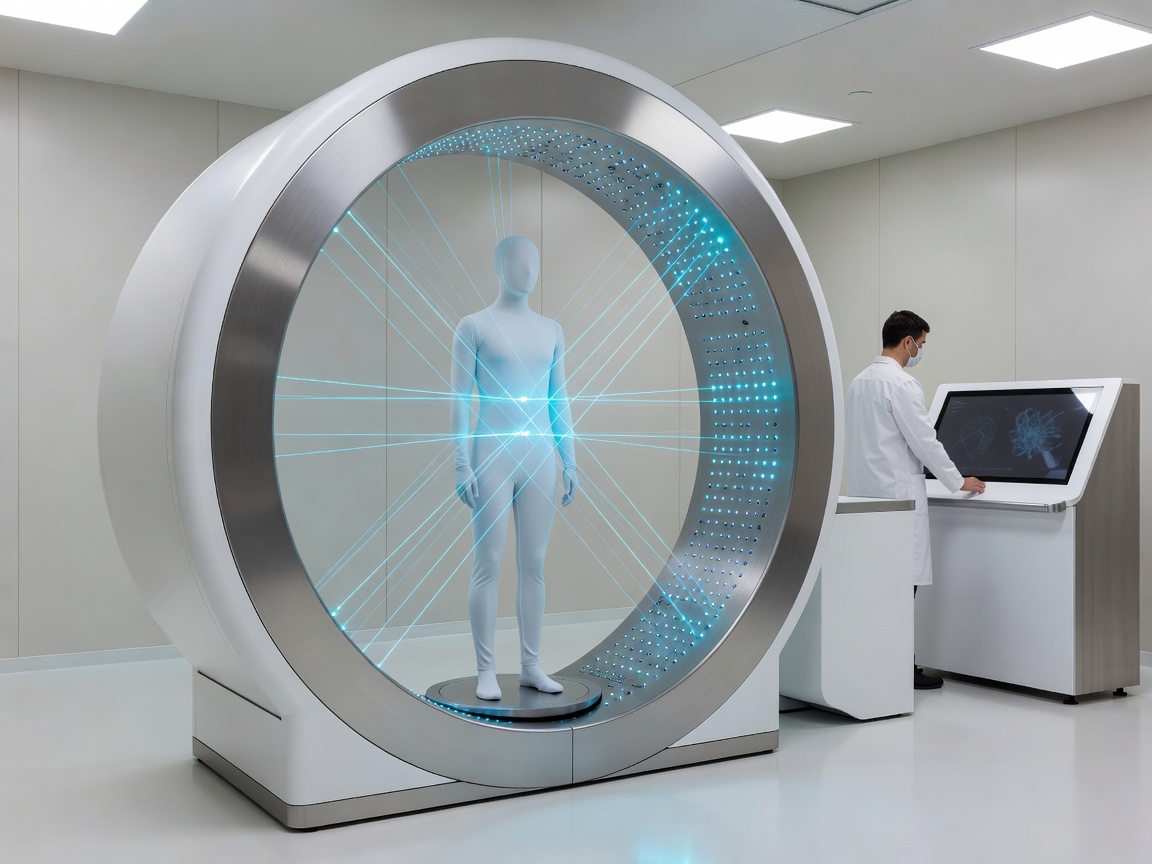
Body scanning technology has fundamentally shifted from ionizing radiation paradigms to safe, optical, and radio-frequency alternatives. The core challenge in modern scanning architecture is no longer capturing the data, but interpreting it instantly without compromising user privacy or interrupting high-traffic throughput.
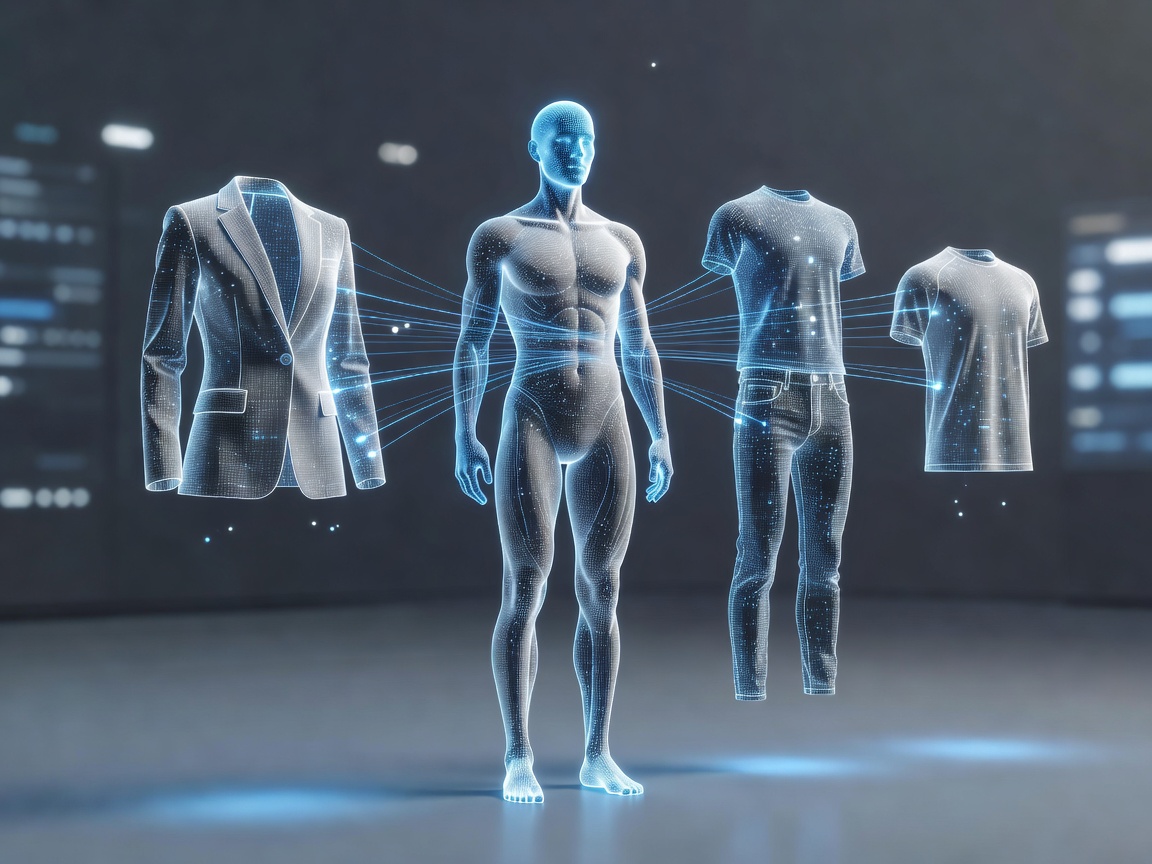
Whether it is an automated target recognition (ATR) algorithm detecting anomalies at an airport checkpoint, or a machine-learning model calculating limb volume for a custom prosthetic, the hardware relies heavily on structured light, time-of-flight (ToF) sensors, and millimeter-wave radar. Storyscopepurepixls provides objective, engineering-focused breakdowns of these systems.